What are the health benefits of including a variety of vegetables in your diet?

Veggies: Your Nature’s Nutrient Treasure – Unlocking Health, Bite by Bite!

Introduction:-

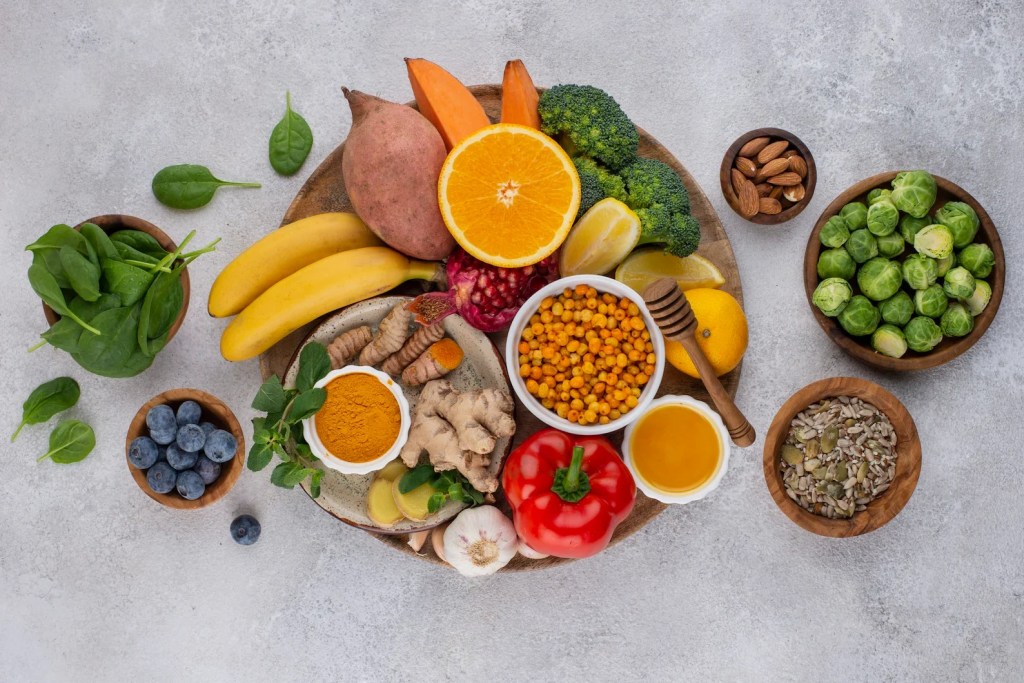
Eating a variety of vegetables isn’t just about colors on your plate; it’s a vibrant strategy for boosting your health. Vegetables are nutrient powerhouses that provide an array of vitamins, minerals, and antioxidants essential for your well-being. In this blog post, we delve into the multitude of health benefits that arise from incorporating a diverse range of vegetables into your diet.

Packed with Nutrients:-

Different vegetables offer a spectrum of vitamins, like vitamin A in carrots, vitamin C in bell peppers, and vitamin K in leafy greens. This nutrient richness supports overall bodily functions.

Disease Defense:-

Antioxidants present in vegetables combat harmful free radicals, lowering the risk of chronic diseases such as heart disease, diabetes, and certain cancers.

Digestive Delight:-

High fiber content in veggies aids digestion, prevents constipation, and promotes a healthy gut. This translates to better digestion and nutrient absorption.

Weight Management:-

Vegetables are low in calories and high in fiber, making them a weight-conscious choice. They provide satiety, helping control overeating.

Heart Health:-

Potassium-rich vegetables like spinach and potatoes promote healthy blood pressure, reducing the risk of cardiovascular issues.

Skin Glow:-

Nutrients like vitamin E and beta-carotene in vegetables contribute to radiant skin by protecting it from damage caused by environmental factors.

Blood Sugar Balance:-

Fiber and complex carbohydrates in veggies maintain steady blood sugar levels, beneficial for diabetes management.

Strong Bones:-

Vegetables like broccoli and kale are rich in calcium and vitamin K, supporting bone health and reducing the risk of osteoporosis.

Enhanced Immunity:-

A variety of vegetables deliver a mix of immune-boosting nutrients like vitamin C and zinc, helping your body ward off illnesses.

Vision Support:-

Carotenoids like lutein and zeaxanthin in veggies promote eye health, reducing the risk of age-related macular degeneration.

Mood Uplift:-

Certain vegetables contain folate and other B vitamins that play a role in mood regulation and reducing the risk of depression.

Anti-Inflammatory Allies:-

Phytonutrient in vegetables have anti-inflammatory properties, contributing to the prevention of chronic inflammation.

Energy Amplifiers:-

The vitamins and minerals found in vegetables provide an energy boost, keeping you active and vital throughout the day.

Cellular Repair:-

Vegetables supply essential nutrients that aid in cell repair and growth, vital for overall health and longevity.

Gut Microbiome Support:-

Dietary fiber in vegetables feeds beneficial gut bacteria, fostering a healthy gut microbiome linked to various aspects of well-being.

Brain Health:-

Nutrients like folate, vitamin K, and antioxidants in vegetables support cognitive function and reduce the risk of cognitive decline.

Conclusion:-

Incorporating a diverse array of vegetables into your daily diet is a gateway to a healthier, more vibrant life. The medley of nutrients, antioxidants, and health benefits they provide is unparalleled. From supporting your heart to enhancing your skin’s radiance, vegetables are nature’s gift to your well-being. Embrace the colorful and flavorful world of vegetables, and embark on a journey of nourishment, vitality, and longevity.

Cultivating Health”The Power of Nourishing Through Food”

“Eat Well, Live Well: Your Path to Healthier Living Through Food!”

Introduction :-

Maintaining good health is a journey, and the choices we make about what we eat play a significant role in this journey. Food is more than just sustenance; it’s a source of energy, nutrients, and vitality. In this blog post, we will explore how you can maintain your health by making mindful and nutritious food choices. Let’s dive into the world of wellness through food.

The Foundation of Nutrition :-

Think of your body as a house. Just as a house needs a strong foundation, your body needs a foundation of good nutrition. This means consuming a variety of foods from different food groups. Fruits, vegetables, whole grains, lean proteins, and healthy fats form the pillars of a balanced diet.

Quality over Quantity :-

When it comes to food, quality matters more than quantity. Focus on the nutritional value of what you’re eating. Choose whole, unprocessed foods that are rich in vitamins, minerals, and fiber. These foods not only fuel your body but also support your overall well-being.

Portion Control :-

It’s easy to overeat, even when you’re eating healthy foods. Pay attention to portion sizes. Listen to your body’s hunger and fullness cues. Eating smaller, balanced meals throughout the day can help you maintain a steady level of energy and prevent overindulgence.

Hydration Is Key :-

Staying hydrated is crucial for your health. Water helps with digestion, circulation, and maintaining body temperature. Aim to drink water regularly throughout the day. Herbal teas and water-rich fruits like watermelon and cucumbers are also great hydration options.

The Art of Cooking :-

Cooking is a creative endeavor that allows you to take control of what you’re putting into your body. Experiment with herbs, spices, and different cooking methods to create delicious and nutritious meals. Cooking at home gives you the power to choose wholesome ingredients.

Mindful Eating :-

In our busy lives, we often eat on autopilot. Practice mindful eating by paying attention to your food without distractions. Chew slowly, savor each bite, and truly enjoy the flavors and textures. This helps you connect with your body’s signals and prevents overeating.

Supercharge with Superfoods :-

Certain foods are like superheroes for your health. Berries are rich in antioxidants, leafy greens are packed with vitamins, and nuts provide healthy fats. Incorporate these superfoods into your diet to give your body an extra boost of nutrition.

Balance and Moderation :-

Health isn’t about deprivation; it’s about balance. You can still enjoy your favorite treats, but in moderation. Occasional indulgences are perfectly fine as long as they don’t become daily habits. The key is to make them special and enjoyable moments.

Consistency and Progress :-

Building and maintaining health is a continuous journey. Small, consistent steps are more effective than drastic changes. Gradually incorporate healthier choices into your routine. Over time, these choices will become habits that contribute to your overall well-being.

Celebrate Cultural Diversity :-

Explore the world through food. Different cultures offer unique culinary experiences, each with its own set of health benefits. From Mediterranean to Asian cuisines, diversifying your food choices introduces your taste buds to new flavors while enhancing your nutrient intake.

Conclusion :-

Your relationship with food is a partnership that has a profound impact on your well-being. By choosing nourishing foods, practicing mindful eating, and maintaining a balanced approach, you can take charge of your health. Remember, there’s no one-size-fits-all approach. Discover what works best for you and your body. Embrace the journey of nurturing your health through the foods you consume, and enjoy the rewards of a healthier, more vibrant life.

Your Complete Guide to First Aid Kits: Be Prepared for Emergencies.

Introduction :-

Accidents and emergencies can occur unexpectedly, making it crucial to be prepared with a well-stocked first aid kit. A first aid kit is a collection of essential medical supplies and equipment designed to provide immediate care in case of injuries or medical emergencies. In this blog post, we will explore what a first aid kit is, discuss its components, understand how it works, and highlight its importance in keeping you and your loved ones safe.

What is a First Aid Kit?

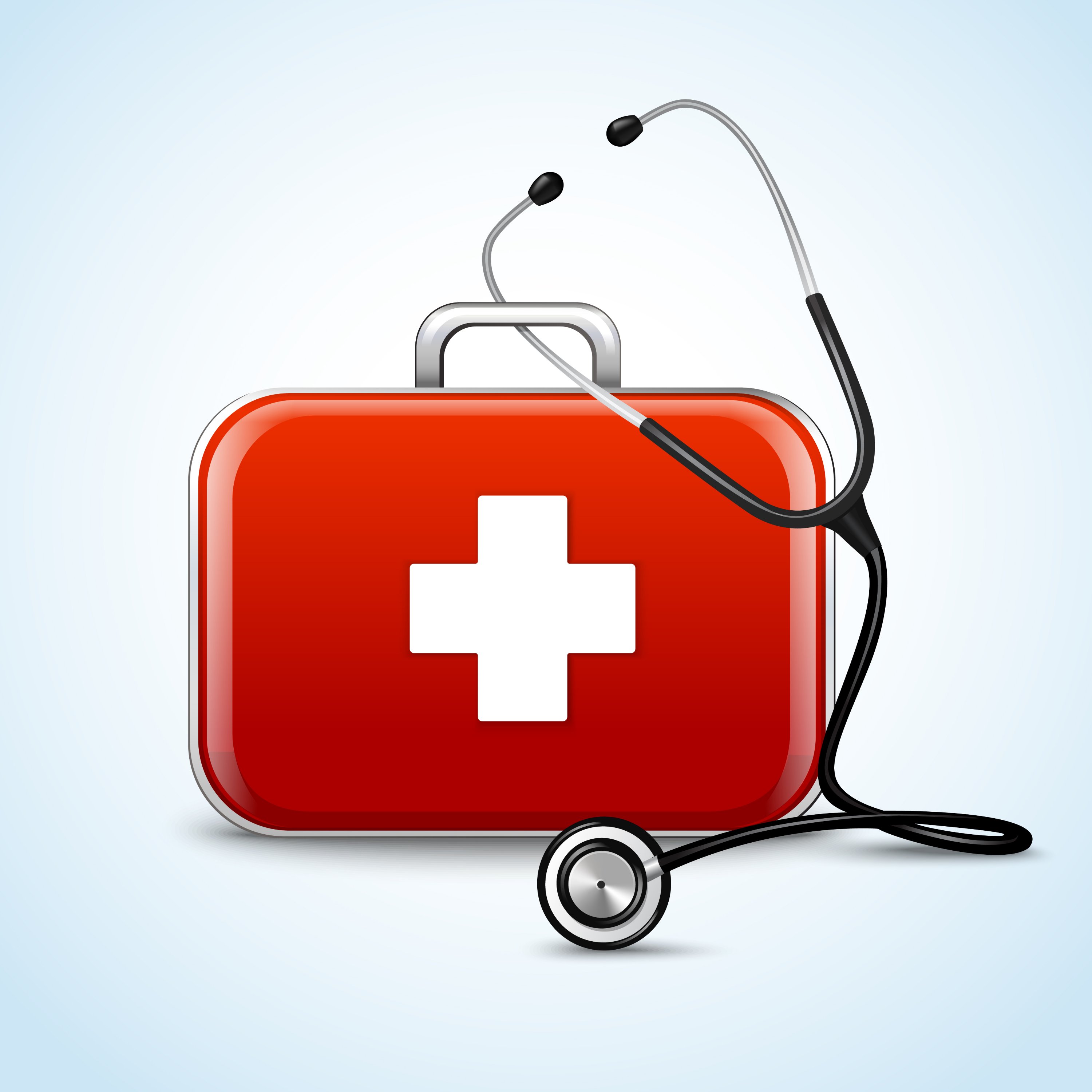
A first aid kit is a portable collection of medical supplies and equipment that enables individuals to provide initial care and treatment for injuries or illnesses before professional medical help arrives. It serves as a crucial resource during emergencies, helping to stabilize conditions and minimize further harm.

Components of a First Aid Kit :-

While the specific contents of a first aid kit may vary based on personal preferences and intended use, there are several essential components that every kit should ideally contain.

These include:-

1. Bandages and Dressings :-

Various sizes of adhesive bandages, sterile gauze pads, adhesive tape, and elastic bandages are essential for covering and protecting wounds.

2. Antiseptics :-

Antiseptic solutions or wipes, such as hydrogen peroxide or alcohol-based wipes, are used to clean wounds and prevent infection.

3. Medications :-

It’s advisable to include over-the-counter pain relievers, antihistamines, and any necessary prescription medications for specific individuals in the kit.

4. Scissors, Tweezers, and Gloves :-

These tools are essential for handling and treating injuries hygienically. Scissors can be used to cut dressings and tape, while tweezers help remove splinters or foreign objects. Disposable gloves ensure cleanliness and reduce the risk of contamination.

5. CPR Mask :-

A CPR mask or face shield is a crucial addition to the kit for administering cardiopulmonary resuscitation (CPR) in case of cardiac arrest.

6. Contact Information :-

Include a list of emergency phone numbers, including local emergency services, poison control centers, and personal emergency contacts.

How Does a First Aid Kit Work?

A first aid kit is designed to provide immediate care until professional medical assistance is available. Its functionality relies on the following steps :-

a) Assess the Situation :- Evaluate the nature and severity of the injury or illness. Ensure the safety of yourself and the injured person before proceeding with any treatment.

b) Follow Basic First Aid Procedures:- Basic first aid procedures include controlling bleeding, immobilizing fractures, administering CPR if necessary, and providing initial treatment for common injuries like burns, sprains, or cuts.

c) Use the Contents of the Kit :- Depending on the specific injury or medical condition, use the appropriate components of the first aid kit to provide necessary care. For example, clean wounds with antiseptics, apply bandages or dressings to control bleeding, or administer medication as needed.

d) Seek Professional Help :- While a first aid kit is essential for immediate care, it’s important to remember that it does not replace professional medical assistance. Once the initial care is provided, promptly seek medical attention, especially for severe injuries or medical emergencies.

Maintaining a First Aid Kit :-

Regularly inspect and replenish your first aid kit to ensure its readiness. Here are a few maintenance tips:

Check Expiration Dates :- Monitor the expiration dates of medications and perishable items in the kit. Replace them before they expire.

Restock Consumables :- Keep an eye on supplies like bandages, adhesive tape, and antiseptics. Replace them as they are used or when they reach their expiration dates.

Personalize the Kit :- Customize the first aid kit to suit your specific needs. Consider including additional items like instant cold packs, insect repellent, or a small flashlight.

Conclusion :-

A well-stocked first aid kit is an indispensable resource that can make a significant difference in emergency situations. By understanding its purpose, familiarizing yourself with its components, and knowing how to use it effectively, you can confidently respond to injuries or medical emergencies and provide immediate care while waiting for professional assistance. Remember to regularly inspect and maintain your first aid kit, ensuring its contents are up-to-date and ready to serve you and your loved ones in times of need. Stay prepared, stay safe!

Design a site like this with WordPress.com
Get started